When Courtroom Conduct Leads to Criminal Charges
Court Crimes defense in White Plains and surrounding areas for individuals charged with offenses arising from court-related conduct
Law Office of Michael D. Litman, PLLC represents clients charged with court crimes in New York, where conduct inside or related to court proceedings can result in enhanced penalties, jail exposure, and long-term damage to your criminal record. You need a defense that understands the procedural complexities of these cases and how to challenge the prosecution's interpretation of your conduct. This work involves strategic motion practice, negotiation, and focused advocacy to protect your record from charges that can carry severe consequences simply because they occurred in a courtroom setting.
Court crimes include offenses such as disrupting court proceedings, failing to appear, interfering with court officers, or violating conditions of release. These charges are often treated more seriously than similar conduct occurring elsewhere because they involve disrespect for the judicial process or perceived threats to court security. You may have been charged with a court crime after a misunderstanding, an emotional outburst, or a failure to comply with a procedural requirement you did not fully understand. The prosecution may seek enhanced penalties, particularly if you have prior allegations or if the conduct involved a judge or court officer. Defense work in these cases involves examining the circumstances surrounding the alleged conduct, challenging the prosecution's characterization, and working to limit the impact on your record.
If you have been charged with a court crime in White Plains, Harrison, Greenburgh, or a surrounding area, contact Law Office of Michael D. Litman, PLLC to begin preparing a defense that addresses both the immediate charges and the long-term consequences.
Strategic Motion Practice and Negotiation
Your defense begins with a review of the court record, witness statements, and any video or audio recordings of the incident. You receive guidance on the procedural issues that may affect your case, including whether the court properly informed you of your obligations and whether the prosecution can prove intent. Law Office of Michael D. Litman, PLLC examines whether the alleged conduct truly violated the law or whether it was protected speech, a misunderstanding, or a reaction to circumstances beyond your control.
After the defense is presented, you may see charges dismissed, reduced to a lesser offense, or resolved through a negotiated plea that avoids jail time and limits the impact on your criminal record. You will know what the prosecution can prove and what arguments are available to challenge the charges. The goal is to prevent a conviction that triggers enhanced penalties for future allegations and creates a permanent record that affects employment, immigration status, and professional licensing.
This defense also includes addressing any underlying issues that led to the court crime charge, such as missed court dates due to confusion or procedural errors by the court. The work does not include representation in separate civil proceedings or family court matters, but it does protect you from criminal penalties that can cascade into other areas of your life.
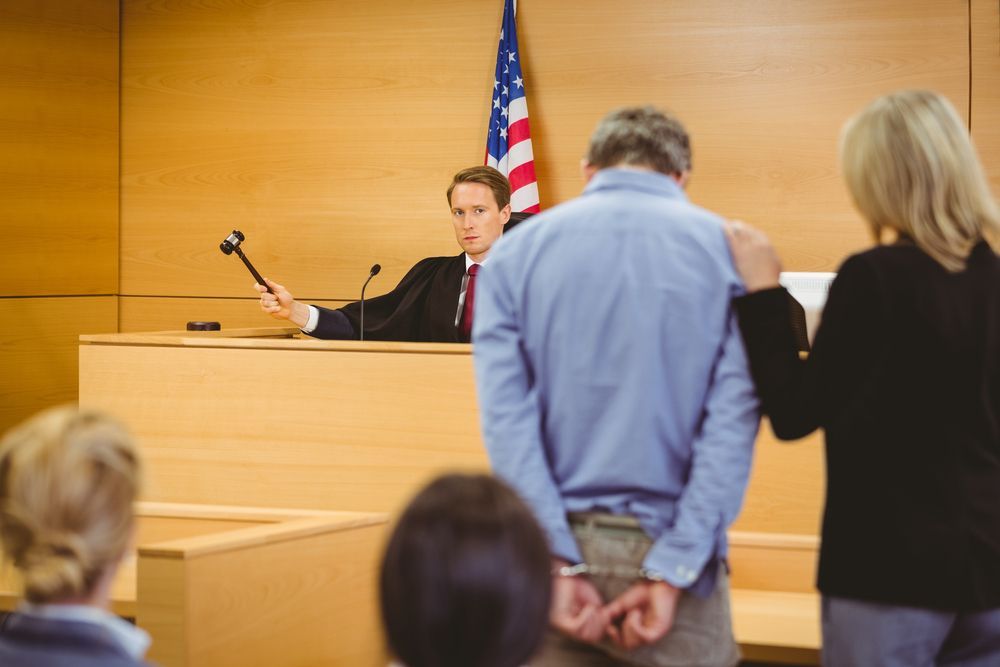
Clients charged with court crimes often have concerns about what the prosecution must prove, how conduct is interpreted, and what outcomes are realistic given the circumstances of their case.
Questions About Court Crime Defense
They must show that your conduct violated a specific statute or court rule and that you acted intentionally or recklessly. Defense work focuses on challenging the prosecution's interpretation of your conduct and whether the court properly informed you of your obligations.
What does the prosecution need to prove in a court crime case?
Your attorney examines the context of your conduct, including whether you understood the court's rules, whether you were provoked, and whether there is evidence that you acted impulsively rather than with criminal intent.
How is intent challenged in court crime cases?
You should reach out as soon as you are charged or as soon as you become aware of an investigation, particularly if the charge arose during an ongoing case in New York courts.
When should you contact a defense attorney after being charged?
Judges and prosecutors view these offenses as direct challenges to the authority of the court, and enhanced penalties are often sought to deter future conduct and protect the integrity of the judicial process.
Why are court crimes treated more seriously than similar conduct outside the courtroom?
A conviction can trigger a violation proceeding that results in additional jail time, revocation of release conditions, and a longer sentence than you would have faced for the court crime alone.
What happens if you are convicted of a court crime while on probation or parole?
If you are facing court crime charges in New York, contact Law Office of Michael D. Litman, PLLC to review your case and begin preparing a defense that protects both your immediate freedom and your long-term record.