Protect Young Drivers Facing Zero-Tolerance Violations
Underage DWI defense in White Plains and surrounding areas for drivers under 21 charged under strict blood alcohol limits
Law Office of Michael D. Litman, PLLC represents drivers under the age of 21 in White Plains, New Rochelle, Harrison and surrounding areas who are facing DWI or zero-tolerance violations. You may have been stopped at a checkpoint, pulled over for a minor traffic infraction, or subjected to a breath test that registered any amount of alcohol. New York applies a zero-tolerance standard to drivers under 21, meaning a blood alcohol content as low as 0.02 percent can result in a violation, license suspension, and a record that affects college admissions, scholarships, and future employment.
Underage DWI cases are handled differently depending on the blood alcohol content. A reading between 0.02 and 0.07 percent typically results in a zero-tolerance violation processed through the DMV, while a reading of 0.08 percent or higher can lead to criminal DWI charges with the same penalties as adult cases. Both types of cases threaten the young driver's license, and both can create long-term consequences that extend well beyond the courtroom.
If your child or a young driver in your family is facing an underage DWI charge, contact Law Office of Michael D. Litman, PLLC to discuss the case and the steps that can protect their future.
How Underage DWI Cases Are Handled
Your case will begin with a review of the traffic stop and the testing procedures. Officers must have reasonable suspicion to stop the vehicle and probable cause to request a breath test. Field sobriety tests and preliminary breath tests are often administered at the roadside, and the results can be challenged if the testing was not conducted according to standardized protocols. Portable breath testing devices are less reliable than stationwide instruments, and calibration and maintenance records are often incomplete.
Once the evidence is reviewed, you will see how procedural errors or weak evidence can lead to dismissals, reduced charges, or favorable outcomes at DMV hearings. For zero-tolerance violations, the DMV holds a hearing to determine whether the test was valid and whether the driver had a blood alcohol content above 0.02 percent. Winning this hearing avoids the automatic six-month license suspension and keeps the violation off the driver's record. Law Office of Michael D. Litman, PLLC represents young drivers at these hearings and in criminal court when the charge rises to the level of a misdemeanor or felony DWI.
For criminal underage DWI charges, diversion programs and conditional discharge options may be available, particularly for first-time offenders with no prior record. These programs allow the driver to avoid a permanent conviction by completing community service, attending alcohol education courses, and staying out of trouble for a specified period. The goal is to resolve the case in a way that protects the young driver's education, career prospects, and ability to obtain a license in the future.
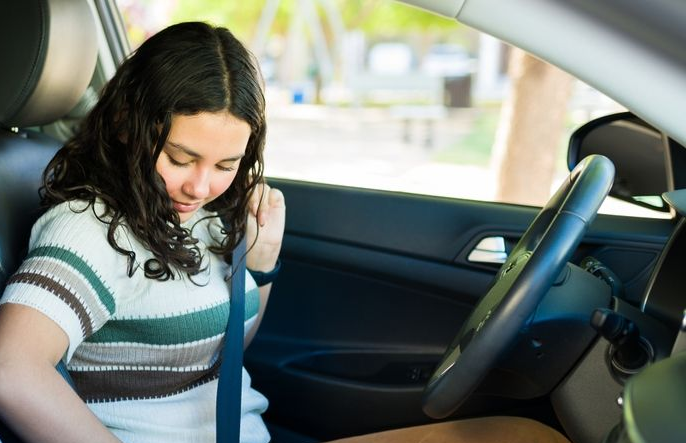
Underage DWI cases in White Plains involve both criminal charges and administrative penalties, and the consequences can affect college admissions, financial aid, and future opportunities.
Common Concerns in Underage DWI Cases
The zero-tolerance law prohibits drivers under 21 from operating a vehicle with a blood alcohol content of 0.02 percent or higher. This is much lower than the 0.08 percent standard for adults and can be triggered by a single drink consumed hours before driving. Violations result in a six-month license suspension and a civil penalty.
What is the zero-tolerance law for drivers under 21?
A DWI conviction, even as a minor, creates a criminal record that must be disclosed on college applications, scholarship forms, and background checks for internships and jobs. Some schools and programs automatically disqualify applicants with criminal records, and others require detailed explanations and evidence of rehabilitation.
How does an underage DWI affect college applications?
A young driver can apply for reinstatement after serving the full suspension period, paying reinstatement fees, and completing any required alcohol education programs. For zero-tolerance violations, the suspension is six months, while a criminal DWI conviction results in a minimum one-year revocation for drivers under 21.
When can a young driver get their license back after suspension in White Plains?
A zero-tolerance violation applies when the blood alcohol content is between 0.02 and 0.07 percent and is handled administratively by the DMV. A criminal DWI applies when the blood alcohol content is 0.08 percent or higher and results in criminal charges, court appearances, and potential jail time. Both result in license suspension, but the criminal charge carries far more serious consequences.
What is the difference between a zero-tolerance violation and a criminal DWI?
Parents often need to understand the legal process, attend court hearings, and make decisions about legal representation and plea agreements. In Westchester County, parents also play a role in arranging transportation, ensuring compliance with court-ordered programs, and supporting the young driver through a stressful and confusing process. Early involvement can lead to better outcomes and a clearer path to resolution.
Why should parents be involved in the defense process?
To begin defending an underage DWI charge in White Plains or the surrounding area, call Law Office of Michael D. Litman, PLLC at (917) 554-8231.