
When Your Personal Information Becomes the Basis for Criminal Charges
Identity Theft defense in White Plains and surrounding areas for individuals accused of personal information misuse
Law Office of Michael D. Litman, PLLC defends clients charged with identity theft in New York, where allegations of misusing another person's personal information can result in severe financial crime penalties, restitution orders, and felony convictions. You need a defense that examines how the prosecution attributes the alleged conduct to you, whether the evidence proves intent, and whether the digital or documentary evidence was lawfully obtained. This work requires challenging the assumptions that connect your name to documents, accounts, or transactions you may not have created or controlled.
Identity theft prosecutions often involve allegations that you used someone else's Social Security number, driver's license, or financial information to obtain credit, goods, or services. The prosecution may present bank records, loan applications, or surveillance footage, but these materials do not always prove who actually completed the documents or accessed the accounts. You may have been misidentified, your identity may have been used without your knowledge, or the evidence may show legitimate access to shared information. Defense work in these cases involves examining digital trails, authentication records, and witness statements to expose gaps in the prosecution's case.
If you have been accused of identity theft or are under investigation in White Plains, Greenburgh, Harrison or a surrounding area, contact Law Office of Michael D. Litman, PLLC to begin preparing a defense before formal charges are filed.
Focused Courtroom Advocacy in Financial Crime Cases
Your defense begins with a review of the digital and documentary evidence the prosecution relies on, including device records, account access logs, and any statements you made to investigators. You receive an analysis that identifies weaknesses in attribution, authentication, and the prosecution's timeline. Law Office of Michael D. Litman, PLLC examines whether the personal information was truly misused, whether you had lawful access, and whether the prosecution can prove you intended to defraud.
After the defense is presented, you may see charges dismissed due to insufficient evidence, reduced to a lesser offense, or resolved through negotiation that avoids felony penalties and restitution. You will know what the prosecution can prove and what remains speculation. The goal is to prevent a conviction that triggers long-term financial liability and a permanent record that affects employment, professional licensing, and credit.
This defense also includes challenging the prosecution's interpretation of intent, particularly in cases where you believed you had permission to use the information or where the alleged victim's identity was used by someone else. The work does not include civil claims filed separately by victims or financial institutions, but it does protect you from criminal penalties that carry far greater consequences.
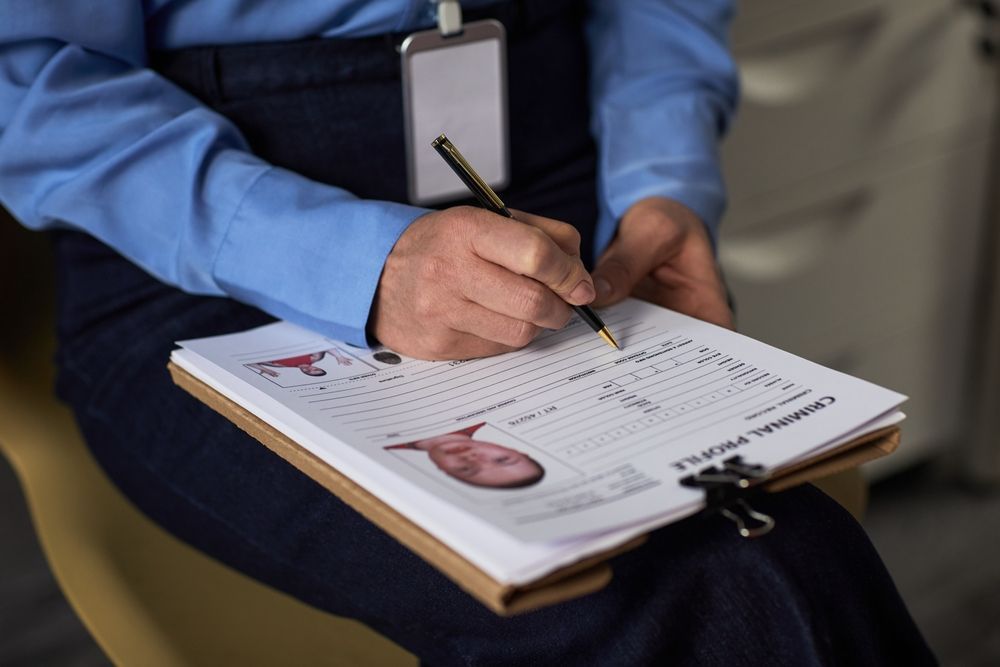
Clients charged with identity theft often have concerns about how the prosecution proves intent, what evidence can be challenged, and what outcomes are realistic given the facts of their case.
Questions About Identity Theft Defense
They must show that you knowingly used another person's personal information without authorization and that you intended to commit fraud or other unlawful conduct. Defense work focuses on challenging attribution, intent, and the reliability of digital evidence.
What must the prosecution prove in an identity theft case?
Your attorney examines device access logs, IP addresses, and authentication records to determine whether the prosecution can prove you were the person who used the information. Shared devices, stolen credentials, and third-party access all create reasonable doubt.
How is attribution challenged in identity theft cases?
You should reach out as soon as you are contacted by investigators or after you are charged, before making any statements that could be used against you in New York court proceedings.
When should you contact a defense attorney after being accused?
The severity of the charge depends on the value of the alleged fraud, the number of victims, and whether there is a pattern of conduct. Your attorney works to keep the case classified as a misdemeanor or to negotiate a reduction based on the evidence.
Why do some identity theft cases result in felony charges while others are reduced?
Discrepancies between the alleged victim's account and the prosecution's evidence can weaken the case, particularly if there is evidence of consent, shared access, or misidentification.
What happens if the alleged victim disputes that their information was misused?
If you are facing identity theft charges in New York, contact Law Office of Michael D. Litman, PLLC to review the evidence and begin preparing a defense that addresses both the criminal charges and the financial exposure you are facing.